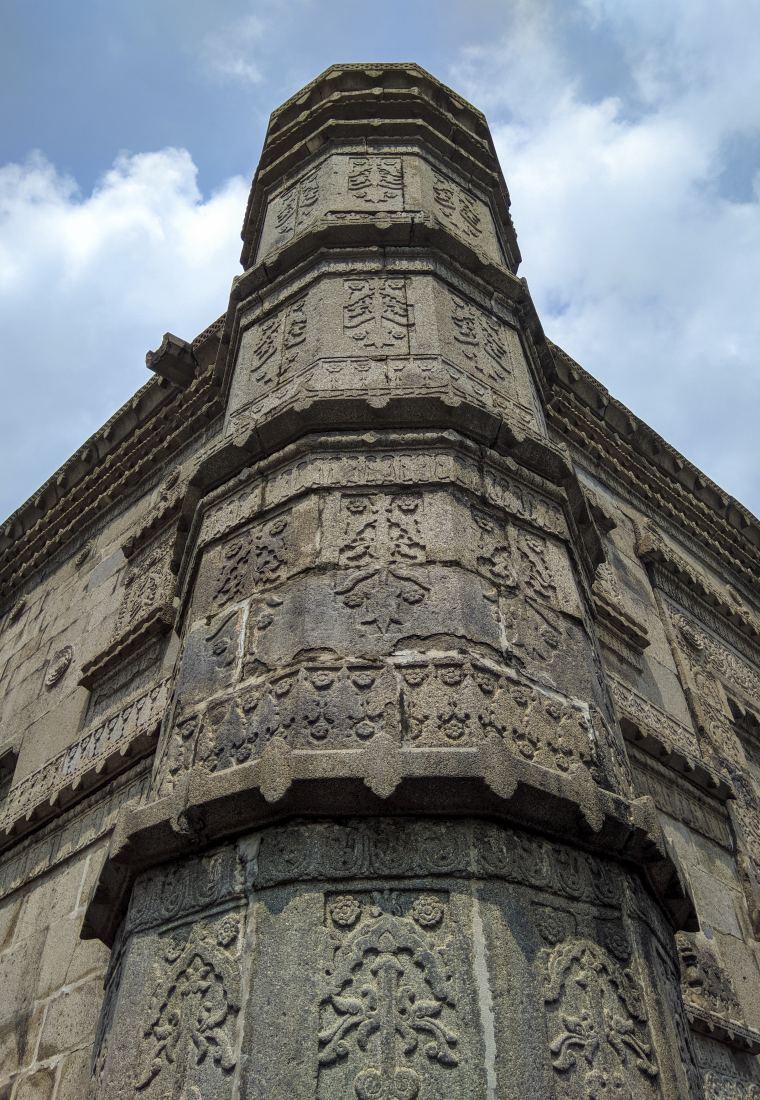
History & Background
Built between 1493 and 1519 during the reign of Sultan Alauddin Husain Shah by Wali Muhammad (Majlis Mansur Wali Muhammad bin Ali), the mosque takes its name from the gold gilding once believed to have covered its fifteen domes — "Chhoto" (small) distinguishing it from a larger namesake mosque nearby. Standing about 3 km south of the old Kotwali Gate in the ruined Sultanate capital of Gaur, it is distinguished by an unusual combination of brick and carved black basalt stone, a material rarely used in Bengal's mostly brick architecture due to the region's lack of natural stone. Severely damaged in the great Assam earthquake of 1897, it was carefully restored by the Department of Archaeology between 1900 and 1907 and today stands as one of the finest surviving examples of Bengal Sultanate mosque architecture.